The Diplomacy of Scent: When Fragrance Becomes the Most Elegant Expression of Cultural Identity
There is perhaps no cultural language more intimate—or more universal—than fragrance. Long before a conversation begins, scent has already spoken. It evokes memory, defines place, and reveals identity with a quiet confidence that transcends borders. Invisible yet unmistakable, perfume possesses a rare ability to communicate what words often cannot.
In an era where cultural diplomacy increasingly extends beyond embassies and official state visits, perfume is emerging as one of the most sophisticated ambassadors of national identity. A single composition can encapsulate centuries of craftsmanship, landscapes shaped by nature, and traditions preserved through generations. It is culture distilled into its purest, most evocative form.
From the rose valleys of Bulgaria and the jasmine fields of Grasse to the sacred frankincense groves of Oman and the timeless sandalwood traditions of India, fragrance has long served as a reflection of civilisation itself. Every precious ingredient carries with it a geography, a history, and a collective memory. Perfume is never simply worn—it is inherited, interpreted, and shared.
Luxury fragrance houses have become modern custodians of this heritage. They transform raw botanical treasures into olfactory narratives that travel far beyond their country of origin, inviting the world to experience culture through emotion rather than explanation. Unlike language, scent requires no translation. Its diplomacy is instinctive, immediate, and profoundly human.
Cultural institutions are increasingly recognising this silent power. Museums and galleries now incorporate scent into exhibitions, allowing visitors not merely to observe history but to inhabit it. The fragrance of a medieval monastery, an ancient marketplace, or a royal palace can evoke a sense of presence that no display case alone can achieve. In doing so, they remind us that culture is not only seen—it is felt.
Fragrance also occupies a discreet yet meaningful place in contemporary diplomacy. Carefully selected perfumes presented as official gifts express hospitality, refinement, and cultural confidence. They embody the generosity of a nation in a gesture that is deeply personal, offering not simply an object but an experience destined to linger long after the meeting has ended.
Beyond symbolism lies an equally compelling economic narrative. The perfume industry unites agriculture, botanical science, artisanal craftsmanship, design, luxury manufacturing, and global commerce into a single ecosystem. Every bottle represents countless hands, traditions, and creative disciplines working in harmony—demonstrating that cultural heritage is not only preserved but capable of generating innovation, employment, and international influence.
Perhaps nowhere is the diplomatic potential of fragrance more beautifully expressed than in the art of composition itself. Contemporary perfumers increasingly create olfactory dialogues by bringing together ingredients from distant cultures: Serbian lavender, Omani frankincense, Italian bergamot, Japanese hinoki, Moroccan orange blossom. Their harmony is not accidental; it is a poetic reflection of coexistence, exchange, and mutual respect.
In a world often defined by difference, perfume reminds us of our shared capacity to feel. It is an ambassador that travels without ceremony, a storyteller without words, and a cultural artefact without borders.
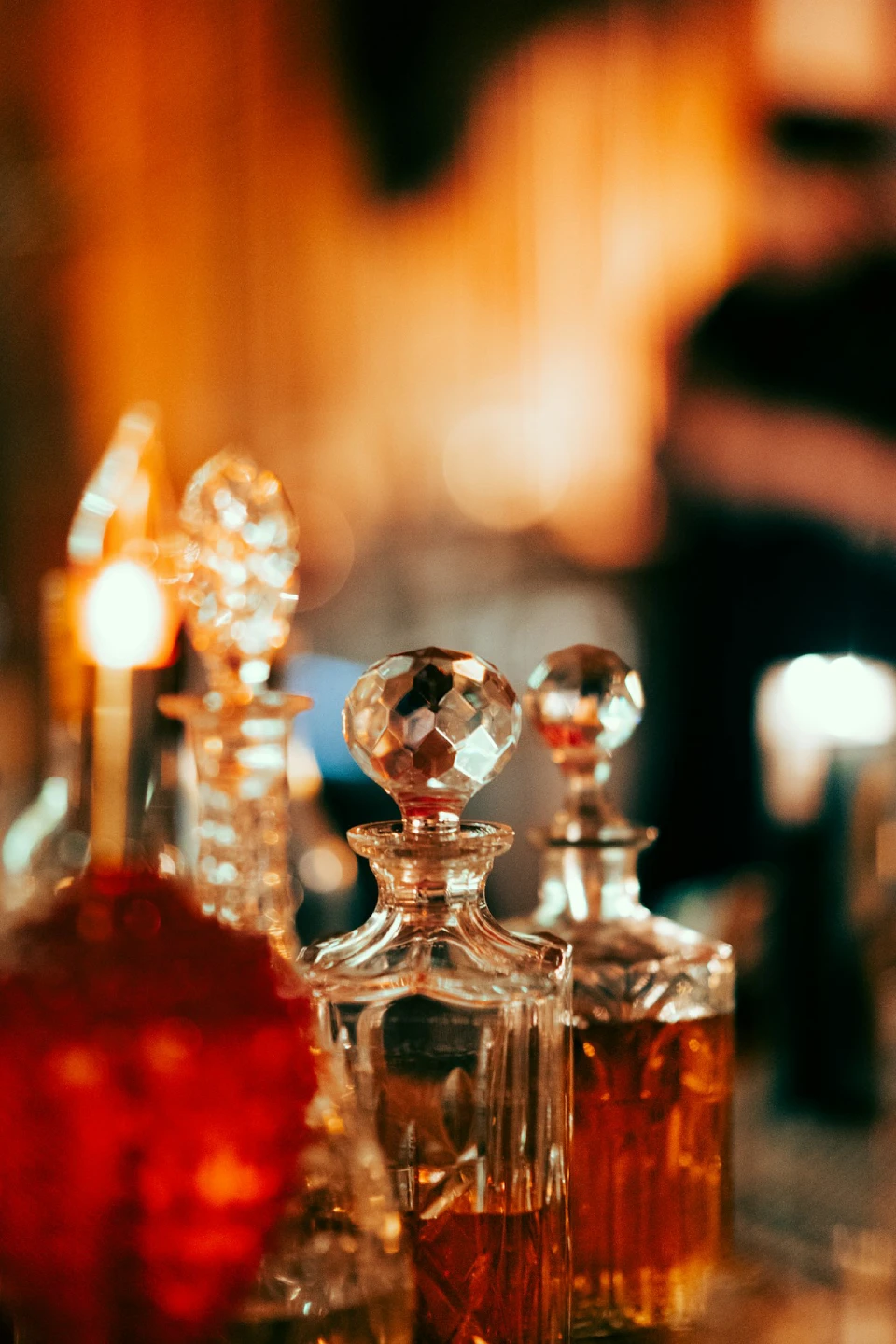
The future of cultural diplomacy may not always be announced through speeches or treaties. Sometimes, it arrives quietly—captured within a crystal flacon, carried on the breeze, and remembered long after every conversation has ended.