The Floating Art Hotel: Beyond Luxury - Art, Hospitality and the Cultural Power of Place
As the boundaries between contemporary art, luxury hospitality and cultural tourism continue to evolve, new models of cultural engagement are emerging across international destinations. The Floating Art Hotel offers a distinctive perspective on this transformation, bringing together contemporary art, hospitality and international cultural exchange in settings shaped by the identity of each destination.
Through its presence internationally, the project explores how art can create unexpected encounters, engage new audiences and contribute to the cultural character of a place. In this conversation, Francesco Marchiaro - CBO and Head Curator for The Floating Art Hotel reflects on the relationship between art and luxury, the growing role of private initiatives in cultural diplomacy, and the evolving significance of cultural experiences in an increasingly interconnected world.
CDH Talks: The concept of Floating Art takes you across different destinations, economies and cultural contexts.
How do you approach the relationship between a cultural event or experience and the destination in which it takes place?
Francesco Marchiaro: The relationship between culture and a destination should always be a dialogue. Every city has its own identity, its own cultural ecosystem and, of course, its own audience. I find it important to understand those elements before bringing a project into a new context.
With The Floating Art Hotel, we're fortunate to have a concept that is inherently nomadic, which allows us to explore different destinations while maintaining a strong identity of our own.
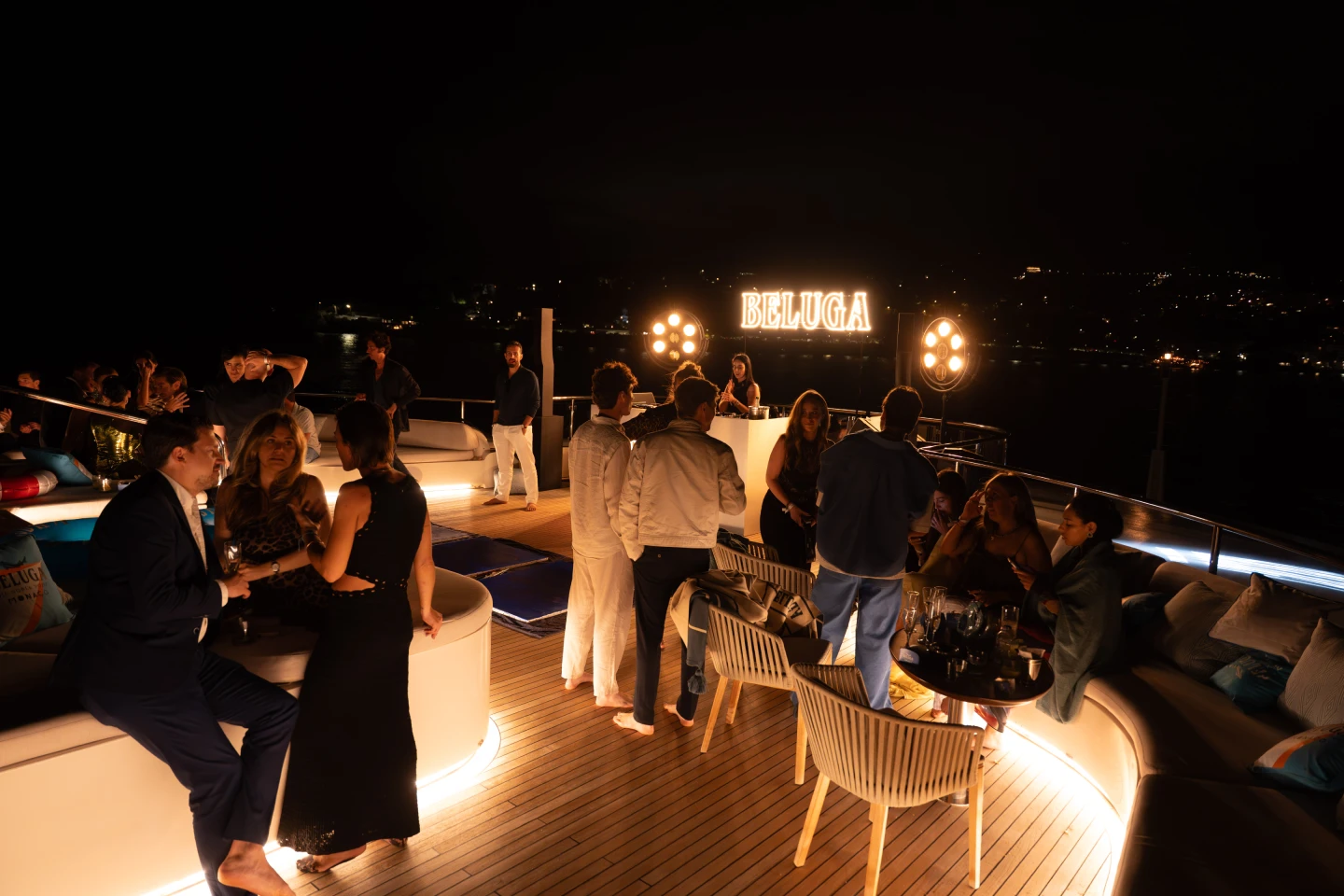
In Monaco, for instance, we brought contemporary art into the context of the Formula 1 Grand Prix, which is traditionally associated with luxury, sport and entertainment. We wanted to introduce a different dimension to that experience, creating a space where people could engage with art in an environment where they might not necessarily expect to encounter it.
In Paris, during Art Basel, the context was entirely different. We were already operating within one of the world's most established cultural ecosystems, so the approach was much more about contributing to an existing conversation.
Ultimately, I think the most interesting projects are those that manage to establish a genuine connection with their surroundings while bringing something new to the destination.
CDH Talks: To what extent should the destination itself shape the concept, and how much can the concept contribute to defining the destination's Identity?
Francesco Marchiaro: It is a two-way relationship. A destination inevitably influences the way we develop a project, whether through its architecture, its history, its cultural institutions or simply the people who inhabit it. We don't believe in replicating exactly the same experience everywhere. There needs to be a certain sensitivity to the context.
At the same time, cultural projects have an extraordinary ability to influence how we perceive a place. If you look at what Art Basel has done for Miami, or how certain cultural initiatives have contributed to transforming cities into international destinations for art and design, it's clear that culture can play a significant role in shaping a destination's identity. Of course, this doesn't happen overnight and I don't think a single event can redefine a city. But when there is consistency, a strong vision and a willingness to invest in culture over time, these initiatives can become part of what makes a destination relevant.
For us, the ambition is to create experiences that people associate with a particular moment and place, while also building an identity that can travel across destinations.
CDH Talks: When art, hospitality and a destination come together within a single project, how do you ensure that culture remains at the heart of the concept rather than becoming merely a tool for positioning or branding?
Francesco Marchiaro: This is a particularly interesting question because, today, we see so many brands and hospitality concepts incorporating art into their identities. And while I think that's generally a positive development, there is obviously a difference between using art as decoration and genuinely engaging with culture.
For me, it really comes down to the intention behind the project. With The Floating Art Hotel, art isn't something we introduce at the end to make the space more attractive. It's the starting point of the entire concept. For our inaugural edition in Monaco, we curated States of Motion, bringing together works by around 30 artists, including Marina Abramović, Jeppe Hein and Tomás Saraceno. And we incorporated live performances, because we believe that art should be experienced, not simply observed.
What interests us particularly is creating environments where people can interact with art in a more spontaneous and intimate way, outside the traditional structures of a museum or gallery.
CDH Talks: International destinations increasingly compete for the attention of the same collectors, cultural institutions and influential audiences.
In your view, what are the key factors that determine a destination's long-term cultural appeal and international relevance?
Francesco Marchiaro: Authenticity and consistency are probably the two most important factors. We're living in a moment where almost every major destination wants to position itself as an international cultural hub. We're seeing extraordinary investments in museums, art fairs, cultural districts and major events, particularly in the Middle East.
But cultural relevance can’t simply be purchased or created through infrastructure. You can build an extraordinary museum, but what ultimately makes a destination interesting is the ecosystem that develops around it: the artists, the galleries, the collectors, the institutions and, perhaps most importantly, the local creative community.
There also needs to be a certain intellectual curiosity and openness to experimentation. Some of the most interesting cultural moments happen outside established institutions, through independent initiatives and unexpected collaborations.
And then, of course, there's the question of accessibility. Not necessarily in the financial sense, but in terms of creating opportunities for people to engage with culture and participate in the conversation.
Ultimately, a destination becomes culturally relevant when it stops trying to attract attention and starts producing something genuinely worth paying attention to.
CDH Talks: Cultural diplomacy is traditionally associated with governments an public institutions. Yet cultural entrepreneurs and private initiatives are making significant contributions to this field.
Where do you see their greatest potential, particularly from your perspective as a law graduate working at the intersection of culture and the private sector?
Francesco Marchiaro: What has become increasingly clear to me throughout my career is that culture has an extraordinary ability to bring people together across geographical, political and social boundaries. I believe private initiatives have a particularly important role to play in facilitating those connections.
Unlike public institutions, which understandably operate within certain political and administrative frameworks, private cultural initiatives can often be more agile, experimental and open to unexpected collaborations, bringing together artists, collectors, institutions and brands that might otherwise never cross paths.
Having worked across different countries and cultural contexts, I've seen how even a relatively small initiative can bring together people from entirely different backgrounds through a shared interest in art.
And perhaps that's what I find most interesting about working at the intersection of culture and the private sector: the opportunity to create those encounters and see what comes out of them
CDH Talks: Looking back at Art Basel Paris 2026, what were your main impressions? Were there any artistic presentations, emerging trends or conversations that particularly caught your attention?
Francesco Marchiaro: I thought Paris had incredible energy this year. There's something quite extraordinary about the way the city comes alive during Art Basel, and I think Paris has really reaffirmed its position as one of the world's leading cultural capitals.
What I find particularly interesting is how the week extends far beyond the fair itself. Between institutional exhibitions, gallery presentations, private collections and independent projects, there's an enormous amount happening throughout the city.
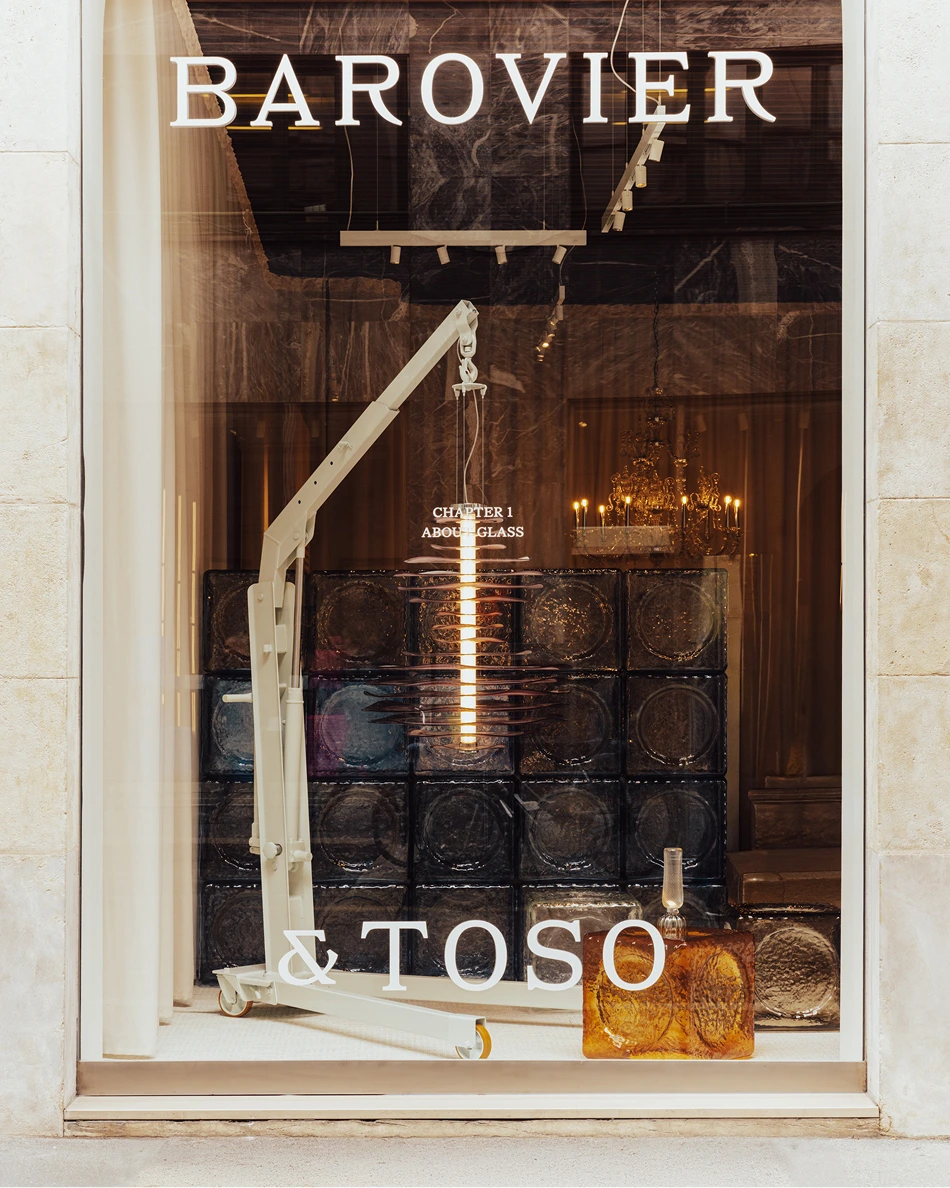
One trend that particularly caught my attention was the increasingly fluid relationship between contemporary art and collectible design. This was something we explored through our own presentation, RADIANT, organised in collaboration with Bossa Gallery, Studio CØR and Maestria Gallery.
We brought together works by artists and designers including Ryan Koopmans & Alice Wexell, Lucas Recchia and Percival Lafer, exploring the dialogue between these different disciplines without necessarily placing them into rigid categories.
CDH Talks: Building on your experience in Paris, what are you looking forward to at Art Basel Miami Beach 2026? Do you expect to see different cultural perspectives, collecting patterns or approaches to the relationship between art and luxury?
Francesco Marchiaro: I think Miami offers a very different perspective from Paris, which is precisely what makes it interesting.
Paris has this extraordinary cultural heritage and a very established institutional landscape, whereas Miami feels much more dynamic in the way it brings together different cultural influences, particularly from North America, Latin America and the Caribbean. I'm particularly interested in seeing how those perspectives translate into the artistic presentations and collecting conversations this year.
Miami also has a very distinctive relationship with luxury, hospitality and lifestyle. There's perhaps a greater openness to experimenting with different formats and creating experiences outside traditional art spaces, which obviously resonates with what we're doing at The Floating Art Hotel.
It's certainly a destination we're looking at with great interest as we continue expanding our international cultural programme.
CDH Talks: Looking ahead, what should we expect from The Floating Art Hotel in 2027?
Francesco Marchiaro: 2027 is shaping up to be an exciting year for The Floating Art Hotel. We're currently preparing for our next edition during the Monaco Grand Prix, building on the success of this year with an even more ambitious artistic programme and new collaborations.
Beyond Monaco, we're exploring opportunities to expand into new international destinations, bringing our concept into different cultural contexts and continuing to explore the intersection of contemporary art, hospitality and luxury.
We're looking forward to working with new artists, galleries and cultural partners, while staying true to our original vision: creating unexpected encounters with art in extraordinary settings.
There's quite a lot in the pipeline, and I'm looking forward to sharing more soon.